 La Estrella Noticias
Un globo estratosféricohima cubrió Shikoku con cellular 4G LTE
La nave de Sceye cruzó el Pacífico, ó una red celular terrestre durante siete días y dejó una promesa importante: una sola plataforma podría hacer el trabajo de 500 torres.
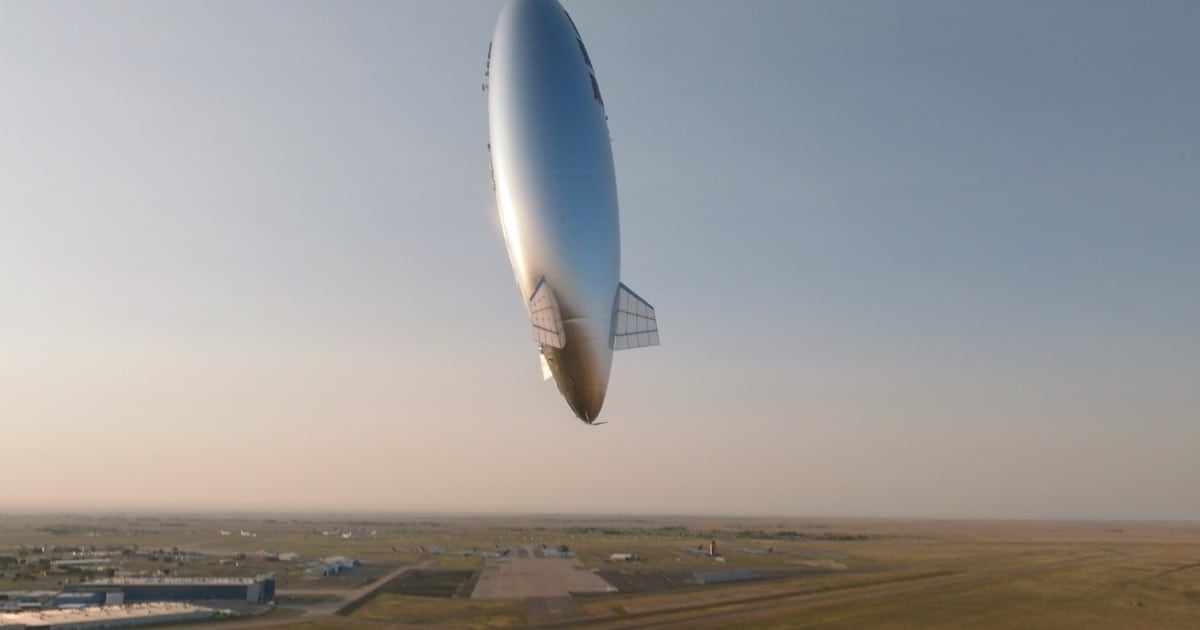
¿Una torre celular, pero volando a 17 kilómetros de altura? Sceye y SoftBankendence Demonstrate That Japan's Newest 4G LTE Solution Is Actually Flying: A helium-filled, solar-powered aircraft crossed the Pacific and operated for seven days near Muroto, on the island of Shikoku, providing real-time 4G LTE coverage. It means that, in practice, the system handled calls, texts, web navigation, video, and alerts for earthquakes and tsunamis.
¿Qué probaron y cuánto tardó?
El Service Test 1 salió de Moriarty, Nuevo México, el 9 de agosto, tardó 13 días en recorrer más de 15.000 kilómetros y regresó a ese Estado el 5 de septiembre, tras casi 30.000 kilómetros de vuelo en 30 días. LaRelated Experiment Also Checked Optical Communication With a Ground Station, Drones Equipped With LTE Cards, and a Maritime Distress Line Used With the Japan Coast Guard. The aircraft measured 83 metros de largo.
¿La red funciona sin depender de tierra? The onboard server processed information without sending it to terrestrial data centers and averaged a 68-ms response time, according to the material. For Sceye co-founder and CEO Mikkel Frandsen, this is the foundation for a 3D communications network: a platform that can remain over an operational area, above the jet stream and about 30 times closer than low-Earth-orbit satellites.
La empresa inversora Helena estimates that, in the future, the aircraft could carry payloads of up to 250 kg, which would place it at a scale far beyond other comparable stratospheric platforms. Veremos.
Comentarios
0Todavía no hay comentarios. Sé el primero.